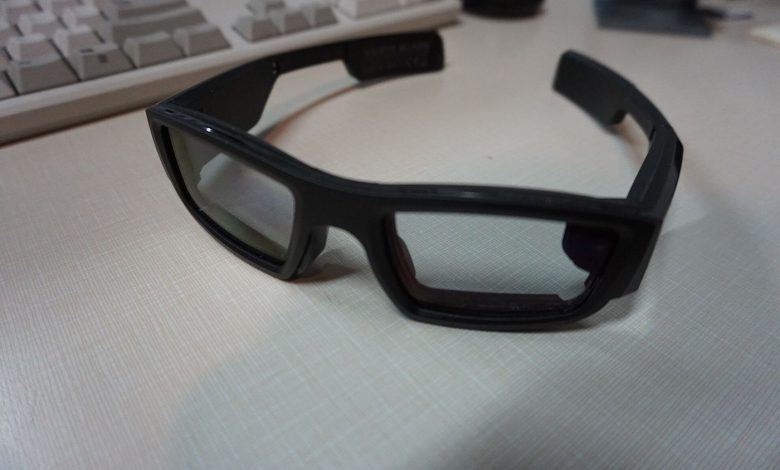
The gadget that finally made smart glasses work is not a headset, it is a pair of sunglasses. Meta’s Ray-Ban smart glasses, launched in October 2023 with eyewear giant EssilorLuxottica, look like ordinary Wayfarers but carry a camera, speakers and an AI assistant in the frames. Wearers can take photos, listen to music, translate conversations in real time and ask Meta AI what they are looking at, all without touching a phone. Meta demonstrated live translation between Spanish and English in late 2024, turning the glasses into a tool for travellers as well as a camera. The glasses became an unexpected hit: EssilorLuxottica reported that two million pairs had been sold by early 2025, Meta said sales tripled in 2024, and the company expanded the range with Oakley sports frames in June 2025. For the first time, a wearable computer sold in the millions without looking like one.
What the Evidence Shows
The success has changed how the tech industry thinks about AI hardware. Google, Apple and Samsung are all reported to be working on their own AI glasses, and analysts now expect smart glasses to be the first mass-market device built around AI assistants rather than screens. The appeal is simple: a camera and microphone at eye level, with answers whispered in your ear, is more natural than pulling a phone from your pocket. But the same features raise familiar questions about privacy, since a camera on someone’s face can record without others noticing, and Meta has added a light that signals when the camera is recording. The glasses are still a niche next to smartphones, yet their sales suggest that the next computer may sit on your nose rather than in your hand. Reporting and analysis from sources such as MIT Technology Review track the same developments, and specialists following Meta Ray-Ban AI smart glasses say the direction is now consistent across independent lines of evidence.
The Wider Context
The wider context is an industry learning to ship capability and restraint together. Products built around Meta Ray-Ban AI smart glasses now launch with safety evaluations, usage data and rollback plans as standard, because enterprise buyers and regulators ask for them in the first meeting. Companies that treated those questions as friction are discovering they have become the purchase criteria.
What Happens Next
What happens next for Meta Ray-Ban AI smart glasses depends less on another breakthrough than on the unglamorous work of reliability, pricing and support. The buyers evaluating it now are not enthusiasts; they are operators with budgets and auditors, and their checklists will decide the timeline. On the evidence of the current pilots, the technology has earned the right to be judged by them. You can follow related developments in our coverage of technology.
There is a practical lesson in all of this for readers deciding what to do today. Start with the verified facts, be wary of anyone promising certainty, and prefer reversible steps while the evidence is still developing. Circumstances differ by country, income and personal situation, so general guidance should always be weighed against your own context before you act on it in any significant or lasting way.