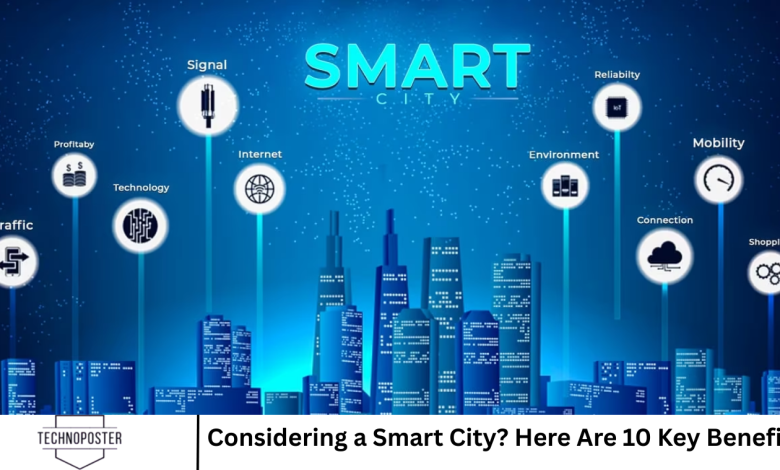
As urbanization accelerates globally, cities are facing mounting challenges — from traffic congestion and pollution to resource management and public safety. In response, the concept of the smart city has gained momentum. Smart cities leverage technology, data, and connectivity to optimize urban living and improve the quality of life for their citizens.
But what exactly makes a city “smart,” and why should urban planners, policymakers, and citizens consider this transformation? In this article, we explore 10 key benefits of smart cities, illustrating how intelligent infrastructure, data-driven governance, and sustainable innovation can redefine urban life.
Whether you’re a city official exploring smart initiatives or a curious resident eager to understand the future of your hometown, this comprehensive guide will shed light on why smart cities matter today—and tomorrow.
What Is a Smart City?
Before diving into the benefits, it’s essential to understand what a smart city entails. At its core, a smart city uses Internet of Things (IoT) sensors, data analytics, connected infrastructure, and digital platforms to enhance the efficiency of city services and address urban challenges.
Components often include smart transportation systems, energy-efficient buildings, real-time data monitoring for utilities, digital citizen engagement tools, and AI-powered analytics for decision-making. The goal is to create a responsive, sustainable, and livable environment that improves urban experiences for all.
Enhanced Public Safety and Security
One of the most critical benefits of smart cities is improved safety for residents and visitors. Using a network of surveillance cameras, sensors, and data analytics, smart cities can:
- Detect and respond to emergencies faster (e.g., fires, accidents, natural disasters).
- Use AI to monitor public spaces for suspicious activities or unusual behaviors.
- Implement smart street lighting that adjusts brightness based on real-time pedestrian movement, improving nighttime safety.
- Deploy predictive policing to allocate resources efficiently and reduce crime rates.
For example, emergency response teams can receive instant alerts with precise location data, reducing response times and saving lives.
Improved Traffic Management and Reduced Congestion
Traffic congestion is a persistent problem in many urban areas, causing delays, pollution, and frustration. Smart cities use intelligent traffic management systems to:
- Monitor traffic flow in real-time using cameras and sensors.
- Adjust traffic signals dynamically to optimize vehicle movement.
- Provide real-time traffic updates to drivers via apps and digital signage.
- Promote alternative transportation modes like shared mobility, bike lanes, and electric scooters.
Such systems reduce congestion, lower carbon emissions, and enhance the commuting experience.
Efficient Energy Use and Sustainability
Smart cities prioritize sustainable resource management. Through smart grids and connected devices, cities can:
- Monitor energy consumption in real-time and optimize usage.
- Integrate renewable energy sources like solar and wind into the grid.
- Enable smart streetlights that dim or brighten based on activity.
- Promote energy-efficient buildings with automated heating, cooling, and lighting systems.
This reduces the city’s carbon footprint, lowers costs, and supports environmental goals.
Enhanced Waste Management
Waste collection and disposal is a major urban challenge. Smart cities use IoT-enabled waste bins and sensors to:
- Monitor fill levels of trash bins and optimize collection routes.
- Reduce overflow and littering by timely collection.
- Enable recycling programs with smart sorting technologies.
- Analyze waste data to identify trends and improve policies.
Efficient waste management improves sanitation, reduces operational costs, and enhances the city’s appearance.
Better Water Management
Water scarcity and quality issues plague many urban areas. Smart water management systems enable cities to:
- Detect leaks early through sensor networks, reducing water loss.
- Monitor water quality continuously to ensure safety.
- Optimize irrigation for parks and green spaces using weather data.
- Manage stormwater and prevent flooding via smart drainage systems.
These measures conserve water resources and protect public health.
Enhanced Citizen Engagement and Services
Smart cities leverage digital platforms and apps to connect with residents, enabling:
- Easy reporting of issues like potholes, streetlight outages, or graffiti.
- Access to city services such as permits, bill payments, and event notifications online.
- Two-way communication channels where citizens can provide feedback.
- Inclusive decision-making through digital surveys and participatory budgeting.
This fosters transparency, trust, and community involvement.
Economic Growth and Innovation
Smart cities create fertile grounds for economic development by:
- Attracting tech startups, entrepreneurs, and investors.
- Providing infrastructure and data access for innovation hubs.
- Improving workforce productivity through better transportation and connectivity.
- Encouraging sustainable tourism with smart services.
As a result, smart cities boost job creation, diversify local economies, and enhance global competitiveness.
Improved Healthcare and Well-being
Healthcare is another sector transformed by smart city technologies. Benefits include:
- Remote health monitoring for patients via connected devices.
- Real-time data sharing between healthcare providers for faster diagnosis.
- Smart ambulances that optimize routes and communicate with hospitals.
- Health awareness campaigns through digital platforms.
These initiatives improve access to care, reduce costs, and enhance overall public health.
Enhanced Education and Digital Inclusion
Smart cities invest in digital infrastructure that supports:
- High-speed internet access for schools and public spaces.
- E-learning platforms and virtual classrooms.
- Digital literacy programs for underserved populations.
- Data-driven insights to improve educational outcomes.
By bridging the digital divide, smart cities empower all residents to participate fully in the digital economy.
Resilience and Disaster Preparedness
Smart cities are better equipped to handle emergencies thanks to:
- Early warning systems for natural disasters like earthquakes, floods, and storms.
- Real-time data monitoring to track and predict disaster impacts.
- Coordinated response platforms connecting emergency services and citizens.
- Infrastructure designed for rapid recovery and continuity of services.
This resilience saves lives and minimizes disruption during crises.
Frequently Asked Questions
What technologies are essential for smart cities?
Key technologies include IoT sensors, data analytics, AI, smart grids, and digital communication platforms.
How do smart cities improve sustainability?
By optimizing energy and water use, managing waste efficiently, and integrating renewable resources.
Are smart cities expensive to build?
While initial investments can be high, smart infrastructure often leads to long-term savings and economic growth.
How can citizens benefit from smart cities?
Citizens enjoy better services, improved safety, enhanced communication, and greater opportunities.
What challenges do smart cities face?
Challenges include data privacy concerns, technology integration, funding, and ensuring equitable access.
Can small cities become smart cities?
Yes, smart city principles can be scaled to fit cities of all sizes.
How do smart cities handle data privacy?
They implement strict data security measures, transparent policies, and comply with regulations to protect citizen data.
Conclusion
Smart cities represent the future of urban living—where technology and data come together to solve pressing challenges, enhance sustainability, and create vibrant, inclusive communities. From safety and traffic management to economic growth and disaster resilience, the benefits of smart cities are vast and transformative.For city leaders, planners, and citizens, embracing smart city initiatives offers a path toward a more efficient, sustainable, and enjoyable urban experience. As cities continue to grow, the smart city model will become increasingly vital for meeting the needs of tomorrow.