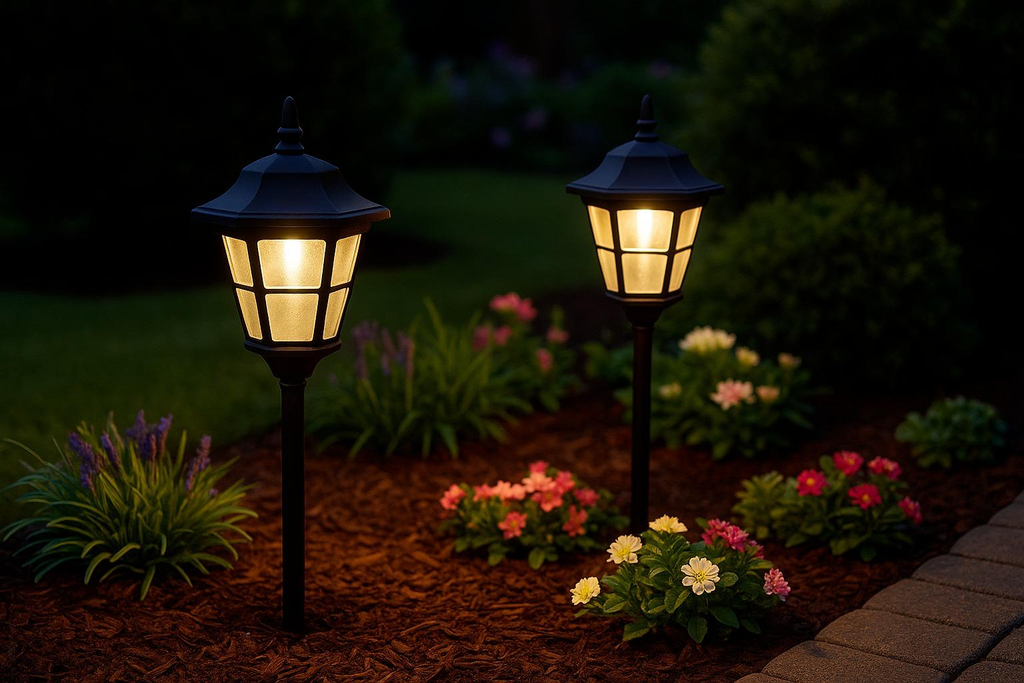
A well-designed outdoor space is not complete when the sun goes down. Without proper illumination, beautiful landscaping, architectural details, pathways, and outdoor living areas can disappear after dark. Landscape lighting helps homeowners extend the use of their outdoor spaces, improve visibility, highlight important features, and create a welcoming atmosphere around their property.
From subtle pathway illumination to dramatic architectural accents, the right outdoor lighting design can completely transform how a home or commercial property looks and feels at night. Modern solutions such as LED landscape lights, low-voltage systems, and decorative lighting options make it easier than ever to create outdoor environments that are both practical and visually appealing.
What Is Landscape Lighting?
Landscape lighting refers to the use of outdoor lighting fixtures designed to illuminate gardens, yards, pathways, patios, driveways, and architectural features. Unlike basic exterior lighting, a landscape lighting system focuses on creating balance between functionality and design.
The goal is not simply to add more brightness. Effective lighting uses placement, intensity, color temperature, and fixture style to enhance the natural beauty of an outdoor area while providing safer movement after dark.
Common landscape lighting applications include:
- Pathway lighting for walkways and garden routes
- Spotlights for trees, sculptures, and architectural features
- Step and stair lighting for improved safety
- Patio and deck lighting for outdoor entertainment areas
- Garden lighting to highlight plants and landscaping
- Driveway lighting for visibility and curb appeal
A thoughtful lighting plan allows different areas of a property to serve their purpose at night while maintaining a comfortable and inviting appearance.
Why Outdoor Lighting Matters for Homes and Properties
Outdoor lighting provides more than visual appeal. It supports safety, usability, and the overall experience of a property.
Improved Safety and Visibility
Dark walkways, steps, and driveways can create challenges for homeowners and guests. Properly placed lighting helps improve visibility around entrances, paths, and outdoor areas.
Path lights and step lights can guide movement while reducing harsh glare. The goal is to create enough illumination for comfort without making the space feel overly bright.
Enhancing Curb Appeal
A home’s exterior design does not stop at the walls and roof. Landscaping, trees, gardens, and outdoor structures all contribute to the property’s appearance.
Well-positioned outdoor landscape lights can highlight textures, shapes, and architectural elements that may not be noticeable at night. A combination of uplighting, downlighting, and accent lighting can create depth and dimension throughout the property.
Extending Outdoor Living Areas
Outdoor spaces are often used for relaxing, dining, and entertaining. Without proper lighting, patios and gardens may become unusable after sunset.
Lighting solutions allow homeowners to continue enjoying decks, patios, pergolas, and outdoor seating areas during evening hours while creating a comfortable environment for gatherings.
Choosing the Right Landscape Lighting for Your Space
Selecting the right lighting system depends on the size of the property, the areas being illuminated, and the desired visual effect.
Consider the Purpose of Each Area
Before choosing fixtures, identify how each outdoor area will be used.
For example:
- Walkways may require soft, evenly distributed pathway lighting.
- Trees and landscaping features may benefit from focused spotlights.
- Outdoor dining spaces may need warmer decorative lighting.
- Steps and elevation changes may require safety-focused illumination.
A successful lighting design starts with understanding the function of each space.

Choose Energy-Efficient Lighting Options
LED technology has become a popular choice for outdoor applications because it provides efficient performance and long-lasting illumination.
LED landscape lights are available in many styles, including pathway lights, spotlights, flood lights, and decorative fixtures. They offer flexibility for homeowners who want reliable outdoor lighting while managing energy usage.
LED options also provide different color temperatures, allowing homeowners to choose between warm, inviting tones and brighter, more modern lighting effects.
Understand Low Voltage Landscape Lighting
Many residential outdoor lighting systems use low voltage landscape lighting because it offers a practical and flexible solution for homeowners.
Low-voltage systems typically operate at a reduced electrical level compared with traditional outdoor wiring. They are commonly used for gardens, pathways, patios, and decorative applications because they provide design flexibility and are suitable for many residential projects.
When planning a low-voltage system, homeowners should consider transformer capacity, fixture placement, cable routing, and weather protection to achieve reliable performance.
Popular Landscape Lighting Ideas for Outdoor Spaces
Every property has different features worth highlighting. The following ideas can help create a balanced outdoor lighting design.
Highlight Trees and Plants
Trees, shrubs, and garden features can become focal points when illuminated correctly. Uplighting from the ground can create dramatic shadows and emphasize natural textures.
Garden lighting can also help define planting areas and create a more organized appearance throughout the yard.
Illuminate Walkways and Driveways
Pathway lighting improves navigation while adding a decorative element to outdoor spaces. Fixtures placed along walkways should provide consistent illumination without creating uncomfortable brightness.
Driveway lighting can also improve nighttime visibility while adding a polished look to the front of a property.
Add Decorative Lighting Elements
Decorative lighting creates atmosphere and personality. String lights, rope lights, and accent fixtures are often used for patios, balconies, pergolas, outdoor kitchens, and entertainment areas.
Rope lighting has become a flexible option for homeowners and businesses because it can be installed in various locations and used for both functional and decorative purposes. It can add subtle illumination around railings, architectural edges, shelving, outdoor structures, and indoor decorative areas.
Common Landscape Lighting Mistakes to Avoid
A good lighting design depends on proper planning. Some common mistakes can reduce the effectiveness of an outdoor lighting system.
Using Too Much Brightness
More light does not always create a better result. Excessive brightness can make outdoor spaces feel uncomfortable and reduce the natural appearance of the landscape.
Layered lighting with different fixture types usually creates a more balanced effect.
Ignoring Light Placement
Poor placement can create unwanted shadows, glare, or uneven illumination. Fixtures should be positioned carefully to highlight features without overpowering the surrounding environment.
Choosing Fixtures Without Considering Weather Conditions
Outdoor lighting products must withstand changing weather conditions. Selecting fixtures designed for outdoor environments helps support durability and consistent performance.

How AQ Lighting Group Supports Outdoor Lighting Projects
Choosing the right fixtures plays an important role in creating a successful outdoor lighting system. AQ Lighting Group provides lighting solutions designed for residential and commercial applications, including options for landscape lighting, LED lighting, rope lights, and other decorative and functional lighting needs.
For homeowners looking for reliable options for gardens, pathways, patios, and outdoor spaces, AQ Lighting Group offers a range of products that can support different lighting styles and project requirements. A carefully planned lighting setup can help improve outdoor usability while creating a more attractive and welcoming property environment.
Frequently Asked Questions About Landscape Lighting
- What is the purpose of landscape lighting?
Landscape lighting improves outdoor visibility, enhances property appearance, highlights landscaping features, and allows outdoor spaces to remain functional after dark.
- Are LED landscape lights good for outdoor use?
Yes, LED landscape lights are commonly used outdoors because they provide efficient illumination, long service life, and many design options for gardens, pathways, patios, and architectural features.
- What is low voltage landscape lighting?
Low voltage landscape lighting is an outdoor lighting system designed to operate using lower electrical voltage. It is commonly used for residential gardens, walkways, patios, and decorative outdoor applications.
- Where should landscape lights be installed?
Landscape lights can be installed along pathways, near trees, around patios, beside driveways, near architectural features, and in garden areas depending on the desired effect.
- Can rope lights be used outdoors?
Many rope lights are designed for decorative applications and can be used in suitable outdoor locations when the product specifications support outdoor installation. They are commonly used for accent lighting, patios, railings, and architectural details.
- How do I choose the right outdoor lighting for my home?
Start by identifying the areas you want to illuminate, the purpose of the lighting, and the style you want to achieve. Consider fixture type, brightness, color temperature, installation requirements, and weather durability before making a decision.
Conclusion
A successful landscape lights design combines functionality, safety, and visual appeal. Whether the goal is highlighting a garden, improving pathway visibility, creating an outdoor entertainment area, or adding decorative accents, the right lighting choices can transform a property after sunset.
With modern options such as LED fixtures, low-voltage systems, rope lights, and outdoor decorative lighting, homeowners have more flexibility than ever to create beautiful and practical outdoor environments. Careful planning and quality products help ensure that outdoor spaces remain inviting, comfortable, and enjoyable throughout the evening hours.