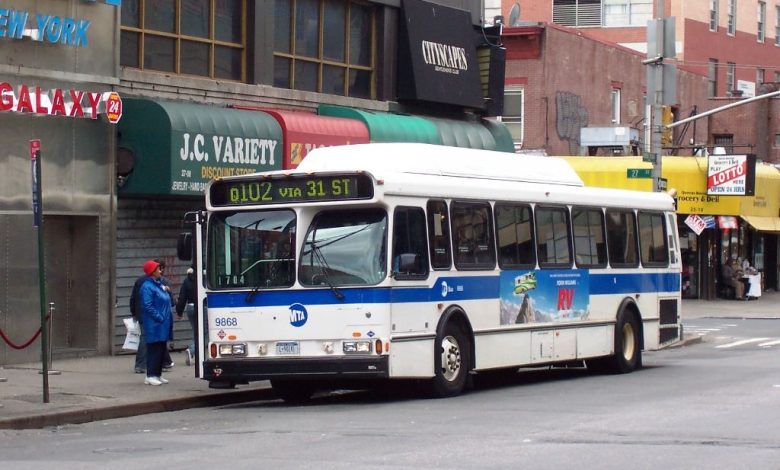
City buses are getting live arrival boards at the busiest stops this winter, as transport teams try to make everyday journeys feel more predictable for commuters, students and older passengers. The boards show the next few services in real time, using vehicle tracking rather than the printed timetable alone, so people waiting in cold or rain can judge whether to stay, walk or choose another route. Transport staff say uncertainty is one of the biggest frustrations on busy corridors, especially when services bunch together after delays in traffic. Clear information at the stop, they argue, calms the whole journey, reduces crowding around drivers with questions and helps passengers plan connections with trains and trams. The first boards are appearing outside stations, hospitals, colleges and shopping streets, where passenger numbers are highest and shelters already have power connections. Accessibility groups have welcomed large, high-contrast displays and audio announcements for passengers who cannot read a screen easily. Operators stress the boards will not fix delays by themselves, but honest, visible information is a practical first step while timetable and road priority work continues in the background for everyone.
What the Evidence Shows
Staff behind the live bus arrival boards say accuracy matters more than novelty, so the displays are being tested against actual arrivals before more stops are added. When a service is cancelled, the board should say so plainly rather than leaving a countdown that quietly disappears. Passengers are being encouraged to report faulty displays through a short code printed at each stop. Transport teams are also using the tracking data to spot the junctions and roadworks that repeatedly slow buses down. That evidence will shape future bus lanes, signal changes and timetable adjustments on the most delayed routes. Drivers say calmer passengers make boarding faster and safer, particularly at busy school and evening peaks. If the first phase proves reliable, smaller solar-powered displays could follow at suburban stops where mains power is harder to install. For regular riders, the hope is simple: less guessing on the pavement and more confidence that the bus home will arrive when the board says it will, day after day. Reporting and analysis from sources such as BBC News track the same developments, and specialists following live bus arrival boards say the direction is now consistent across independent lines of evidence.
The Wider Context
The wider context is a public conversation conducted at a speed institutions were not built for. Developments around live bus arrival boards are announced, contested and revised within a single news cycle, and the officials involved have learned to publish evidence alongside claims so that scrutiny can actually occur. Trust, the polling suggests, follows that transparency more than it follows confidence.
What Happens Next
What happens next in the story of live bus arrival boards will be decided in the places where it is being implemented, measured and argued about in public. The officials and organisations involved have committed to publishing progress data, and that commitment gives residents, businesses and journalists something firmer than promises to judge. The next milestones are dated, which means they can be checked. You can follow related developments in our coverage of news.
None of this will be settled by a single announcement, study or product launch. The pattern to watch is accumulation: independent confirmations, honest reporting of failures and steady improvement in the underlying numbers. Readers who follow those signals, rather than the loudest claim of the week, will understand this subject better than most of the commentary surrounding it suggests is possible.