Private membership clubs have always stood as bastions of exclusivity, community, and tailored experiences. Whether elite country clubs, co-working spaces, wellness retreats, or luxury lifestyle collectives, their value lies in offering members more than just services—they deliver a curated sense of belonging.
But in 2025, the very definition of exclusivity is evolving.
Technology is reshaping how private clubs operate, connect, and grow. With shifting demographics, increased expectations for personalization, and a growing appetite for digital engagement, clubs must innovate while preserving their high-touch traditions.
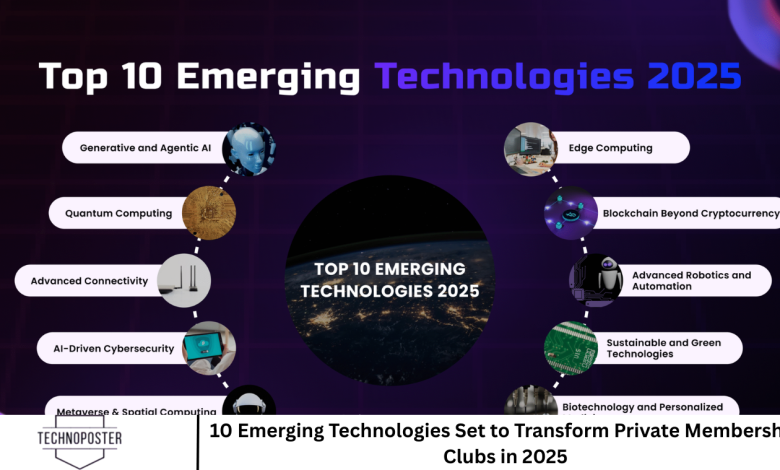
From AI-powered personalization to blockchain-enabled access control, this article explores 10 emerging technologies redefining the member experience, streamlining operations, and future-proofing private membership clubs. At the end, seven key FAQs will help answer common concerns for operators and members alike.
Let’s dive in.
AI-Driven Personalization
Artificial Intelligence (AI) is transforming how clubs understand and serve their members. Using data from behavior, preferences, and engagement history, AI systems can create personalized experiences that feel intuitive and meaningful.
For example:
- A club’s app may suggest a yoga class, wine-tasting event, or curated article based on past attendance or interests.
- AI chatbots can act as digital concierges, offering real-time support and recommendations with natural language interfaces.
- Dynamic personalization adjusts dining menus, room settings, or music preferences automatically upon a member’s arrival.
This level of personalization strengthens loyalty by making members feel truly known and valued. For staff, AI reduces administrative load, allowing them to focus on deeper, more human interactions.
Immersive Spatial Computing (VR/AR/MR)
Spatial computing—encompassing Virtual Reality (VR), Augmented Reality (AR), and Mixed Reality (MR)—is revolutionizing the physical and digital boundaries of club membership.
Imagine:
- A global member donning a VR headset to attend a virtual gala in a digitally recreated ballroom.
- A new member using AR to explore the club’s grounds with interactive guidance overlays.
- Clubs offering immersive, virtual art exhibits or live-streamed events enhanced with 3D graphics.
These technologies expand the reach of clubs, enabling international access, virtual collaboration, and hybrid engagement. Members no longer need to be physically present to feel part of the experience.
Blockchain for Secure, Tokenized Memberships
Blockchain offers security, transparency, and flexibility—three values critical to modern private membership clubs.
By tokenizing memberships:
- A club can issue digital credentials or NFTs representing membership levels.
- Access rights, guest passes, and special privileges can be embedded in smart contracts.
- Members may trade or gift tokenized memberships within pre-set conditions, adding value and flexibility.
Beyond credentials, blockchain can support loyalty programs, record member engagement securely, and reduce fraud or misuse. The decentralized nature ensures authenticity and enhances trust between clubs and members.
Biometric Access and Contactless Experiences
Gone are the days of cards and fobs. Biometric systems—like facial recognition, fingerprint scanning, and voice authentication—are streamlining access control and enhancing the sense of exclusivity.
Benefits include:
- Fast, secure, and contactless entry for members and approved guests.
- Personalized experiences that adjust automatically when a member is recognized.
- Improved security by ensuring only authorized individuals can access restricted areas.
In a luxury environment, convenience must meet discretion. Biometrics offer both—provided privacy is prioritized through secure data handling and opt-in policies.
IoT and Smart Environments
The Internet of Things (IoT) is enabling clubs to become intelligent, responsive spaces. Smart lighting, climate control, motion sensors, and connected devices make it possible to offer seamless, adaptive experiences.
Examples include:
- Meeting rooms that adjust lighting and temperature based on the time of day and attendees.
- Smart kitchens that anticipate orders and dietary needs.
- Maintenance systems that notify staff before problems arise, minimizing downtime.
IoT also provides rich data insights, helping clubs optimize space usage, reduce energy waste, and improve service delivery—all while maintaining a premium experience.
Generative AI and Content Automation
Generative AI is ushering in a new era of creative automation. Clubs can now use AI tools to generate:
- Personalized newsletters tailored to member interests.
- Custom travel or event itineraries.
- Automated content for digital displays, social feeds, or in-app engagement.
This not only enhances engagement but also saves time and cost. More importantly, members receive content that feels curated and relevant.
As AI models continue to improve, their tone, accuracy, and personalization deepen—making them ideal assistants to human creativity.
Predictive Analytics and Digital Twins
Data is only as valuable as the insights drawn from it. Predictive analytics uses historical data to anticipate future behavior and trends—helping clubs make proactive decisions.
Use cases include:
- Forecasting attendance for events to ensure optimal staffing.
- Identifying members at risk of disengagement and re-engaging them with tailored offers.
- Planning new facilities or experiences based on evolving preferences.
Digital twins—virtual models of physical spaces—go a step further. They allow club managers to simulate renovations, test layouts, and preview event setups without real-world disruption.
Together, these tools support data-driven innovation and risk mitigation.
Mobile-First Platforms
In 2025, the smartphone is the central touchpoint for member engagement. Mobile-first platforms offer intuitive, on-demand access to everything a member needs.
Typical features include:
- Event calendars and reservations.
- Personalized notifications and reminders.
- Mobile check-in and guest passes.
- Exclusive content or community chat groups.
A well-designed app becomes an extension of the club itself—bringing convenience, real-time communication, and a sense of community into the palm of members’ hands.
Gamification and Engagement Tools
Gamification adds a layer of motivation and fun to otherwise routine interactions. Clubs can use rewards, leaderboards, challenges, and progress tracking to boost engagement and retention.
Examples:
- Wellness challenges where members earn points for participation.
- Learning tracks that unlock higher-tier benefits.
- Social leaderboards that encourage friendly competition in fitness, golf, or volunteering.
Gamification also appeals to younger demographics who value purpose, transparency, and recognition. When well-designed, these systems foster participation and camaraderie.
Sustainable Tech and Eco-Integration
Sustainability is not just a trend—it’s an expectation. Private clubs are adopting smart technologies that reduce their environmental footprint while enhancing member experiences.
Technologies include:
- Solar-integrated infrastructure and energy-efficient appliances.
- Smart water systems for pools and landscaping.
- Real-time dashboards tracking energy usage and emissions.
Members increasingly want to align with values-driven brands. Offering sustainability dashboards, green loyalty programs, or carbon-neutral events can boost both member satisfaction and brand prestige.
Frequently Asked Questions
What is a private membership club?
A private membership club is an exclusive community that offers curated services, experiences, or spaces to a select group of members. These may be social, professional, wellness-focused, or lifestyle-based, often with an application and vetting process. The value lies in access, prestige, and a sense of belonging.
Why do private clubs need to adopt new technologies?
Member expectations are evolving. Today’s members—especially younger, tech-savvy generations—demand more convenience, personalization, and digital integration. Technologies also improve operational efficiency, reduce costs, and offer data insights to better serve members.
Will technology remove the “human touch” from clubs?
Not if implemented thoughtfully. Technology should enhance, not replace, human interaction. By automating repetitive tasks, clubs free up staff to deliver deeper, more personalized service. Digital tools can support warmth, discretion, and quality when balanced correctly.
What are the privacy risks of biometric access or data collection?
Privacy is a valid concern. Clubs must implement strong data protection protocols, give members clear opt-in choices, and avoid overreach. Transparency, encrypted systems, and member control over data usage are key to trust and compliance.
Are these technologies expensive to implement?
Costs vary, but many technologies offer strong ROI through improved efficiency, retention, and satisfaction. Clubs can adopt in phases—starting with mobile platforms or AI personalization—then scale. Grants, partnerships, or vendor collaboration can also reduce financial barriers.
Will members need special equipment to access features like VR or blockchain?
Not always. Many immersive or blockchain-enabled features are accessible via mobile apps or on-premise devices provided by the club. Optional hardware (like VR headsets) can be made available in club lounges or event areas to ensure inclusivity.
Which technology offers the most immediate benefit to clubs?
AI personalization and mobile-first platforms tend to offer quick wins. They immediately improve member satisfaction, streamline communication, and reduce manual work. Smart environments (IoT) also offer tangible operational savings and smoother experiences.
Conclusion
The private membership club of 2025 blends heritage with high-tech. It offers the comfort of tradition with the convenience of modern innovation.As the world becomes more digital, members demand seamless, personalized, and value-aligned experiences. The technologies above are not mere upgrades—they are fundamental to the evolving identity of membership culture.But success doesn’t lie in technology alone. It lies in how it’s adopted—with transparency, intentionality, and a focus on the human element. The clubs that thrive will be those that integrate innovation while staying true to their core: community, quality, and connection.