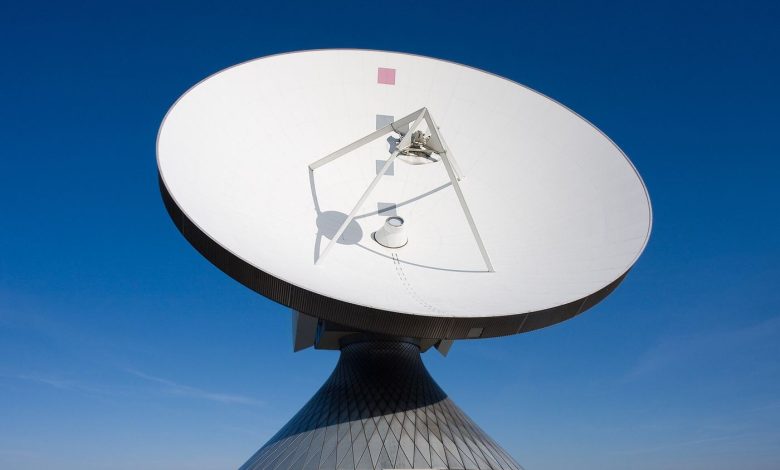
Satellite internet is quietly closing the connectivity gap for places that fibre-optic cables and mobile masts never reached. Low Earth orbit constellations now beam broadband down to small ground terminals, bringing usable internet to remote schools, rural clinics, island communities and mountain villages. A school that once waited minutes for a single page to load can now run video lessons; a clinic can hold a telemedicine consultation with a specialist hundreds of kilometres away. For emergency services, satellite links provide communications when storms or earthquakes knock out terrestrial networks. The technology is turning geography from a barrier into a detail. The terminals are small enough to mount on a roof or a pole, and they connect automatically to satellites passing overhead, handing over from one spacecraft to the next without the user noticing.
What the Evidence Shows
The promise comes with real limits. Satellite capacity is shared among everyone in an area, so speeds can fall at busy times, and heavy rain can weaken the signal. Terminals and subscriptions remain expensive for the poorest communities, and the growing number of satellites raises concerns about space debris and the night sky. Competition among providers is pushing prices down and coverage up, while governments are beginning to subsidise terminals for schools and health centres. If those trends continue, satellite broadband could become what rural electrification once was: the infrastructure that lets remote places take part in the modern economy. New constellations are launching every year, and the falling cost of rockets means operators can replace older satellites faster, improving coverage and capacity over time. Reporting and analysis from sources such as MIT Technology Review track the same developments, and specialists following the satellite internet reaching remote schools and clinics say the direction is now consistent across independent lines of evidence.
The Wider Context
The wider context is an industry learning to ship capability and restraint together. Products built around the satellite internet reaching remote schools and clinics now launch with safety evaluations, usage data and rollback plans as standard, because enterprise buyers and regulators ask for them in the first meeting. Companies that treated those questions as friction are discovering they have become the purchase criteria.
What Happens Next
What happens next for the satellite internet reaching remote schools and clinics depends less on another breakthrough than on the unglamorous work of reliability, pricing and support. The buyers evaluating it now are not enthusiasts; they are operators with budgets and auditors, and their checklists will decide the timeline. On the evidence of the current pilots, the technology has earned the right to be judged by them. You can follow related developments in our coverage of technology.
There is a practical lesson in all of this for readers deciding what to do today. Start with the verified facts, be wary of anyone promising certainty, and prefer reversible steps while the evidence is still developing. Circumstances differ by country, income and personal situation, so general guidance should always be weighed against your own context before you act on it in any significant or lasting way.