The Core Concept of Software Licensing
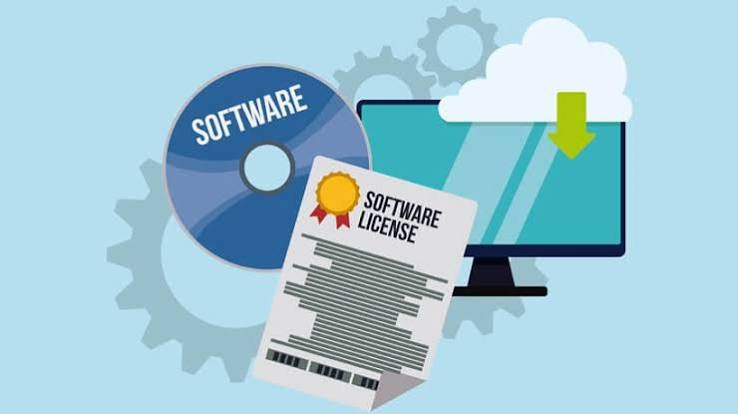
Software licensing is the legal framework that defines how a piece of software can be used, distributed, or modified. It acts as a binding agreement between the creator or vendor and the user, ensuring that intellectual property rights are respected while also granting users specific permissions. Without proper licensing, both developers and users would face uncertainty, leading to disputes and misuse of digital products. In simple terms, a software license is not ownership of the software itself but rather permission to use it under defined conditions.
The importance of software licensing extends beyond legal protection. It plays a crucial role in shaping how businesses operate in the digital age. Organizations rely on licensed software to maintain compliance, ensure security, and optimize performance. From small startups to multinational corporations, understanding licensing models helps in budgeting, scaling operations, and avoiding penalties. As technology continues to evolve, licensing structures have become more sophisticated, reflecting the changing nature of software delivery and consumption.
Types of Software Licenses and Their Applications
There are several types of software licenses, each designed to meet specific needs and use cases. Proprietary licenses are among the most common, where the software is owned by a company and users are granted limited rights. These licenses often restrict copying, modification, and redistribution, ensuring that the vendor retains full control over the product. On the other hand, open-source licenses provide greater flexibility, allowing users to view, modify, and distribute the source code under certain conditions.
Another widely used category is subscription-based licensing, which has gained popularity with the rise of cloud computing. Instead of purchasing software outright, users pay a recurring fee to access it. This model offers benefits such as regular updates, scalability, and reduced upfront costs. Additionally, there are perpetual licenses, which allow users to use the software indefinitely after a one-time purchase, though they may not include ongoing support or updates. Choosing the right type of license depends on factors such as budget, business goals, and technical requirements.
A software license agreement typically includes several essential components that define the relationship between the vendor and the user. One of the most important elements is the scope of use, which specifies how the software can be utilized. This may include limitations on the number of users, devices, or installations. Another critical component is the duration of the license, outlining whether it is time-limited or perpetual.
The agreement also covers restrictions and obligations, such as prohibiting reverse engineering or unauthorized distribution. Additionally, it often includes clauses related to liability, warranties, and termination conditions. These sections protect both parties by clearly defining responsibilities and expectations. Understanding these components is essential for businesses to ensure compliance and avoid potential legal issues. Carefully reviewing license agreements before acceptance can save organizations from costly mistakes and operational disruptions.
Benefits and Challenges of Software Licensing
Software licensing offers numerous benefits, particularly in terms of protecting intellectual property and generating revenue for developers. By controlling how software is used and distributed, companies can maintain the integrity of their products and prevent unauthorized access. Licensing also enables vendors to offer different pricing models, catering to a wide range of customers. For users, licensed software provides access to reliable, secure, and regularly updated tools that enhance productivity and efficiency.
However, Windows Server 2022 license is not without its challenges. Managing multiple licenses across an organization can be complex and time-consuming. Businesses must keep track of renewals, compliance requirements, and usage limits, which can lead to administrative burdens. Additionally, unclear or overly restrictive license terms can hinder innovation and flexibility. Organizations must strike a balance between compliance and usability, ensuring that licensing policies support rather than hinder their operations.
The Future of Software Licensing in a Digital World
The future of software licensing is being shaped by rapid technological advancements and changing user expectations. Cloud computing, artificial intelligence, and the rise of Software-as-a-Service (SaaS) are transforming how software is delivered and consumed. These trends are driving the adoption of more flexible and dynamic licensing models that align with modern business needs. Usage-based licensing, for example, allows companies to pay only for what they use, offering greater cost efficiency and scalability.
As the digital landscape continues to evolve, software licensing will play an increasingly important role in ensuring security, compliance, and innovation. Organizations must stay informed about emerging trends and adapt their licensing strategies accordingly. This includes investing in license management tools, training employees, and working closely with vendors to negotiate favorable terms. By embracing a proactive approach to software licensing, businesses can unlock new opportunities, reduce risks, and thrive in an ever-changing technological environment.