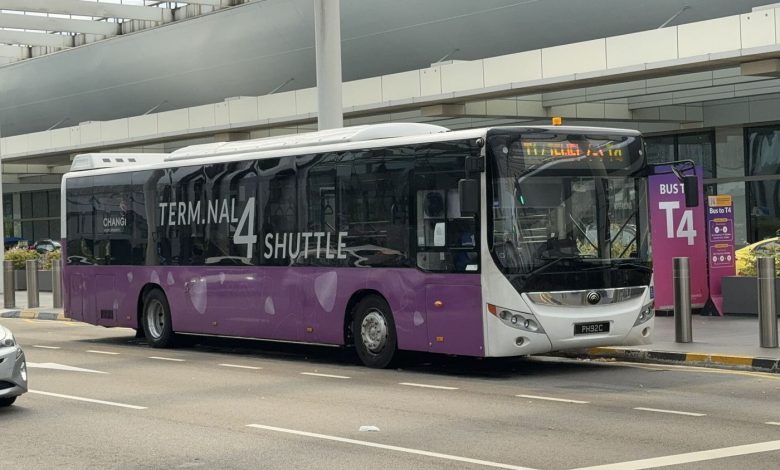
Airport terminals are reorganising their shuttle bus pick-up zones this season, as growing passenger numbers turn the kerb outside arrivals into one of the most congested parts of the whole journey. Under the new layouts, hotel shuttles, car park buses and public services each get clearly numbered bays, with large signs showing which bay serves which route and screens listing the next departures in real time. Airport managers say confusion at the kerb causes many of the delays passengers blame on the buses themselves, because vehicles circle the terminal searching for space while travellers wait in the wrong place with luggage. Separating stopping areas by service type should let buses load faster, keep lanes moving and give drivers a predictable place to pull in rather than competing for the same stretch of road. Accessibility teams have been involved from the start, asking for step free routes between the terminal doors and every bay, seating for passengers who cannot stand for long, and staff on hand during the busiest arrival banks. The changes are being introduced terminal by terminal so lessons from the first sites can improve the rest before the busiest travel weeks arrive later in the year.
What the Evidence Shows
Passengers can help the new system work by checking their bay number before leaving the arrivals hall, since most airports now show shuttle information on screens inside the building and in their travel apps. Drivers say clear bays also improve safety, because travellers are no longer stepping between moving vehicles with suitcases while searching for the right bus along a crowded kerb. Airport staff will patrol the zones during the first weeks, answering questions and recording where signs are misunderstood or queues still form at particular times of day. If a service is delayed, the departure screens should say so honestly rather than leaving a stale time on display, a detail regular travellers repeatedly say matters more than any other. Operators also expect the clearer layouts to cut idling engines outside terminals, improving air quality for staff who work at the kerb all day. The test of the redesign will be the first genuinely busy weekend, when several delayed flights land together and hundreds of tired passengers head for the buses at exactly the same moment. Regular travellers say the real proof will be consistency, with the same clear layout waiting for them on every trip rather than a new arrangement each time they happen to fly. Reporting and analysis from sources such as BBC News track the same developments, and specialists following airport shuttle pick-up zones reorganised say the direction is now consistent across independent lines of evidence.
The Wider Context
The wider context is a public conversation conducted at a speed institutions were not built for. Developments around airport shuttle pick-up zones reorganised are announced, contested and revised within a single news cycle, and the officials involved have learned to publish evidence alongside claims so that scrutiny can actually occur. Trust, the polling suggests, follows that transparency more than it follows confidence.
What Happens Next
What happens next in the story of airport shuttle pick-up zones reorganised will be decided in the places where it is being implemented, measured and argued about in public. The officials and organisations involved have committed to publishing progress data, and that commitment gives residents, businesses and journalists something firmer than promises to judge. The next milestones are dated, which means they can be checked. You can follow related developments in our coverage of news.
None of this will be settled by a single announcement, study or product launch. The pattern to watch is accumulation: independent confirmations, honest reporting of failures and steady improvement in the underlying numbers. Readers who follow those signals, rather than the loudest claim of the week, will understand this subject better than most of the commentary surrounding it suggests is possible.