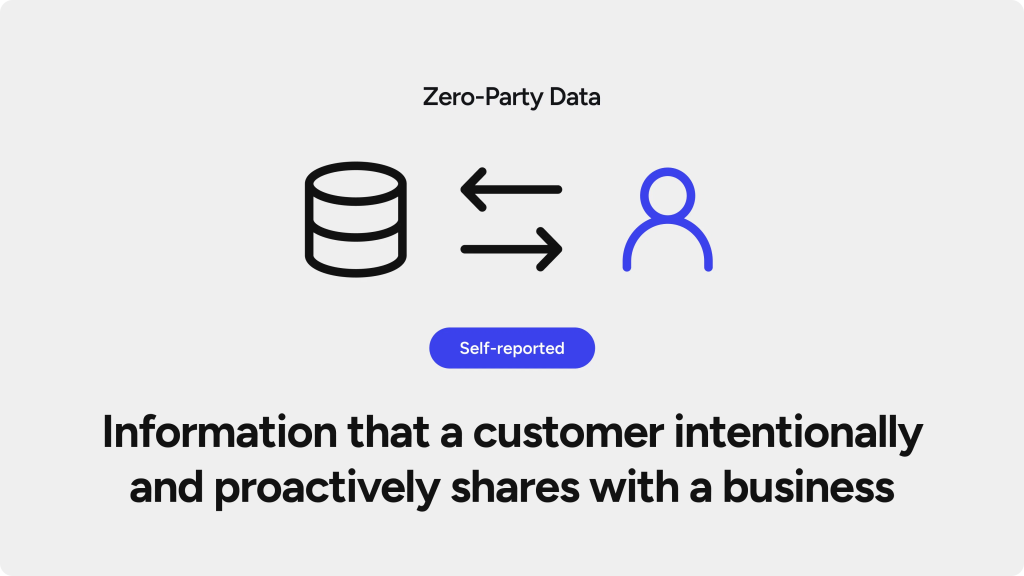
In today’s digital-first world, understanding your audience is no longer optional—it’s essential. Zero-party data, the information users willingly share with your brand, offers a unique opportunity to deliver hyper-personalized experiences, build trust, and drive business growth. Unlike first-party data, which is inferred from user behavior, zero-party data is explicitly provided, making it more accurate, relevant, and privacy-compliant.
Here’s a step-by-step guide to help you implement an effective zero-party data strategy.
Step 1: Evaluate Your Current Strategy
Before collecting any data, assess your current approach. Understanding your starting point ensures your efforts align with business goals. Focus on three critical elements:
- Key Objectives: Define the main goal of your platform. Are you aiming to increase engagement, drive subscriptions, or enhance customer retention?
- Audience: Identify who your primary users are. Knowing their demographics, behaviors, and interests is crucial for determining what data to request.
- User Journey: Map the current user journey to spot gaps or friction points. These insights will guide where and how to collect data effectively.
A clear understanding of these elements lays a strong foundation for a zero-party data strategy that supports your business objectives.
Step 2: Define the Value Exchange
Users are more willing to share their information when they receive tangible benefits in return. Research shows that 62% of customers are ready to provide personal data if it improves their experience.
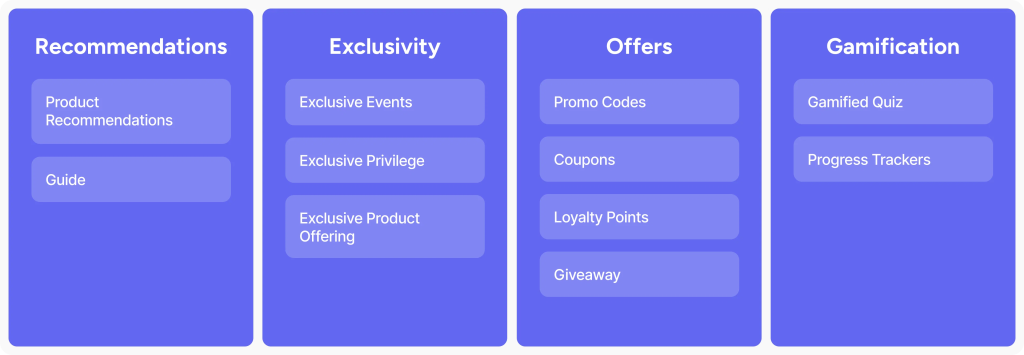
Consider offering value through:
- Personalized recommendations
- Exclusive content
- Tailored offers or experiences
The key is to ensure that the perceived value is greater than the effort of sharing data. When users feel rewarded, they’re more likely to engage with your data collection efforts.
Step 3: Identify the Types of Zero-Party Data
Zero-party data comes in several forms, each serving a distinct purpose:
- Preference Centers: Users’ interests, communication choices, and content preferences.
- Purchase Intentions: Insights into products or services they plan to buy.
- Personal Context: Lifestyle details, circumstances, or hobbies that shape behavior.
- Recognition Preferences: How users want to be addressed or acknowledged.
- Quick Tip: Avoid overwhelming users by requesting too much at once. Collect data gradually through multiple touchpoints to enhance participation and accuracy.
Step 4: Design Your Data Collection Methods
The method you choose should align with the value you offer. Common techniques include:
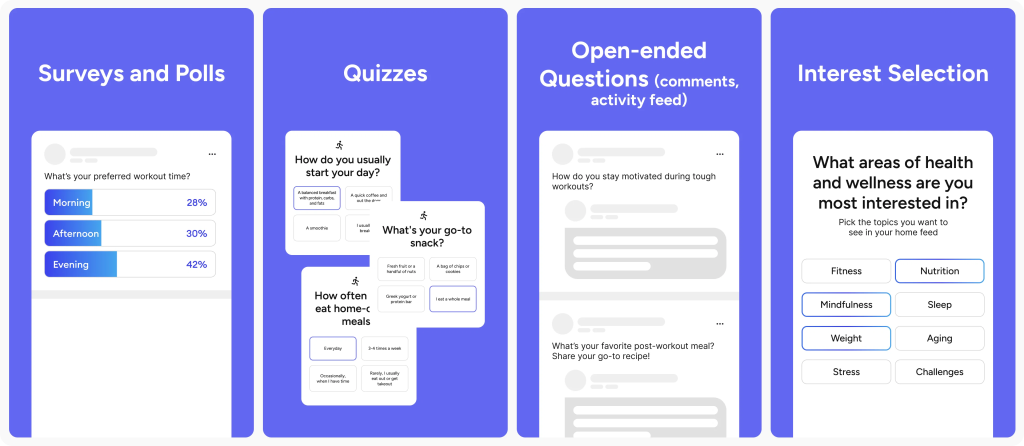
- Surveys and polls
- Quizzes
- Open-ended questions in comments or forums
- Interest selection during onboarding
For example, a quiz can provide personalized product recommendations while simultaneously collecting valuable preference data. Always ensure your collection methods feel natural and non-intrusive.
Step 5: Timing and Placement of Data Collection
Collecting data at the right moment is critical. Identify points in the user journey where sharing information feels seamless:
- During onboarding or re-onboarding
- After completing a transaction or significant action
- At interaction touchpoints, such as browsing content
- Strategic timing improves response rates while minimizing disruption to the user experience.
Step 6: Ensure Compliance and Transparency
Privacy and trust go hand-in-hand with zero-party data collection. Always obtain explicit consent and be transparent about data usage. Use:
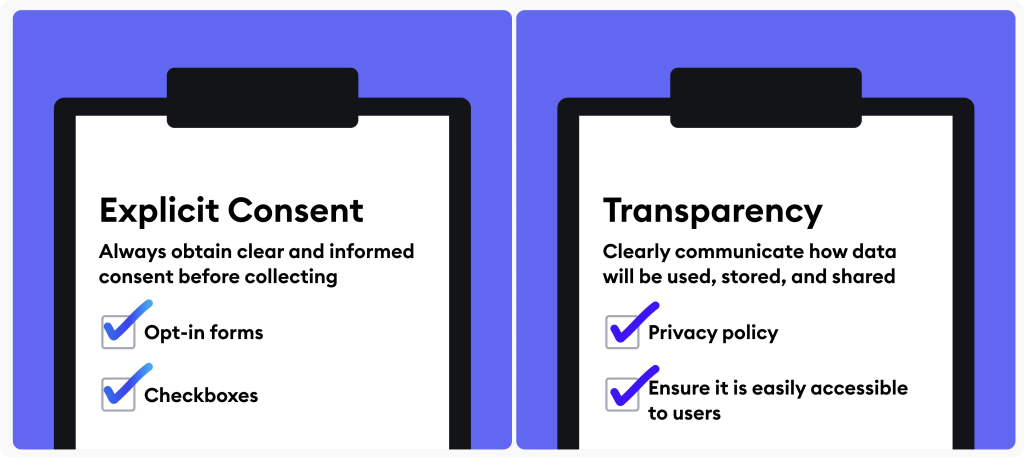
- Opt-in forms and checkboxes
- Clear, accessible privacy policies
- Transparency not only satisfies legal requirements but also strengthens your relationship with users, fostering long-term loyalty.
Step 7: Organize and Analyze the Data
Once collected, organize your data for actionable insights. Categorize it by type—demographics, psychographics, or technographics—and leverage tools like CRM platforms or AI analytics to streamline the process. Proper organization ensures that your data can be efficiently analyzed and applied.
Step 8: Identify Patterns and Segment Your Audience
Analyzing data patterns allows you to create detailed customer segments. Look for recurring themes and trends across different groups. Advanced analytics and visualization tools can help:
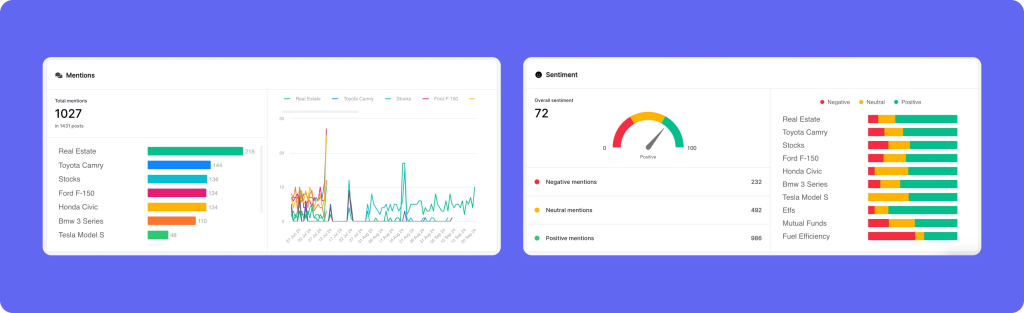
- Identify common preferences and behaviors
- Highlight opportunities for targeted marketing campaigns
- Develop richer user profiles
- Segmenting your audience enables personalized experiences that resonate with distinct customer groups.
Step 9: Apply Insights to Your Strategy
The real power of zero-party data lies in its application. Use insights to:
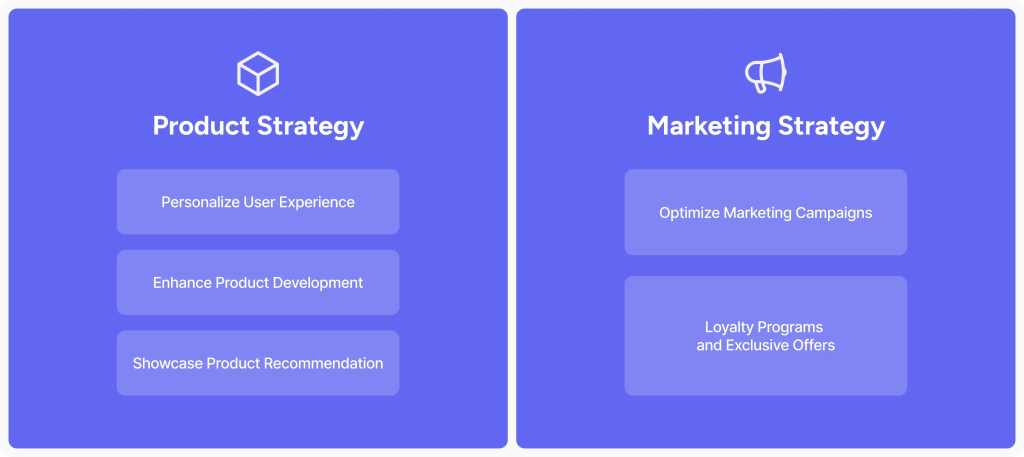
- Personalize content and offers
- Improve product recommendations
- Optimize marketing campaigns
Tailored experiences increase engagement, foster loyalty, and drive higher conversion rates. Every insight collected should directly inform your strategy to maximize ROI.
Step 10: Measure, Test, and Refine
Zero-party data strategy is not static—it requires continuous improvement. Set clear KPIs, track ROI, and conduct A/B tests to evaluate what works best. Iteratively refine your approach to ensure your strategy consistently delivers value to both users and the business.
Why Zero-Party Data Matters
Zero-party data transforms how brands connect with their audience. Unlike passive data collection, it is consensual, accurate, and privacy-friendly. By prioritizing transparency and providing real value, companies can:
- Build stronger customer relationships
- Deliver hyper-personalized experiences
- Unlock new growth opportunities
Brands that successfully harness zero-party data are better positioned to navigate a privacy-conscious world while exceeding customer expectations.
Frequently Asked Questions:
What is zero-party data?
Zero-party data is information that users voluntarily and intentionally share with your brand, such as preferences, purchase intentions, and personal interests. Unlike first-party data, it’s explicitly provided by the user rather than inferred from behavior.
Why is zero-party data important for businesses?
Zero-party data allows brands to create personalized experiences, build trust, and improve engagement. It is more accurate, privacy-compliant, and valuable than inferred data, making it a cornerstone of modern marketing strategies.
How can I encourage users to share zero-party data?
Offer value in exchange, such as personalized recommendations, exclusive content, or tailored experiences. Transparency and trust are essential to motivate users to share their information.
What are effective methods for collecting zero-party data?
Common methods include surveys, polls, quizzes, onboarding forms, and open-ended questions in comments or activity feeds. Choose methods that feel natural and align with the value offered to users.
How do I ensure compliance when collecting zero-party data?
Always obtain explicit consent and be transparent about how the data will be used. Incorporate opt-in forms, clear checkboxes, and an accessible privacy policy to build trust.
How should I use zero-party data once collected?
Use insights to segment your audience, personalize content, optimize marketing campaigns, and enhance the user experience. Apply data to actionable strategies to increase engagement and conversions.
How can I measure the success of my zero-party data strategy?
Set KPIs, track ROI, and conduct A/B testing to evaluate performance. Continuously refine your approach based on results to maximize impact and user satisfaction.
Conclusion
Zero-party data empowers businesses to build stronger relationships, deliver personalized experiences, and drive sustainable growth. By following a structured 10-step action plan—from evaluating your strategy and defining a value exchange to collecting, analyzing, and applying insights—you can confidently unlock the full potential of user-provided data. Prioritizing transparency, consent, and relevance ensures that your audience feels valued while your brand gains actionable insights. Start implementing zero-party data today, and transform the way you engage, understand, and delight your customers.