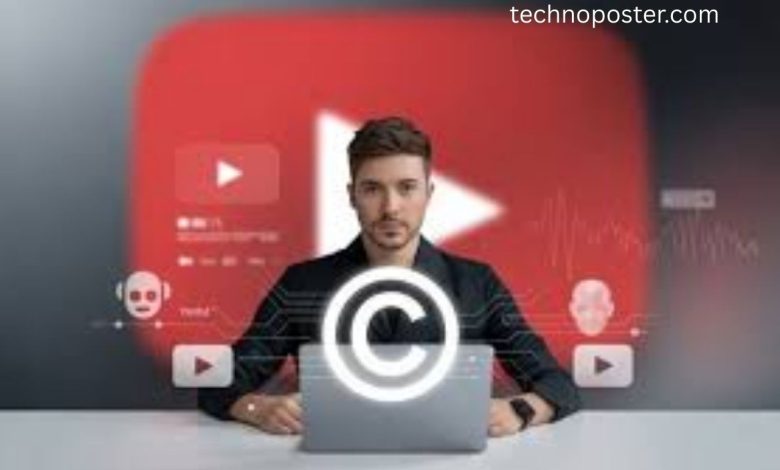
Rick Beato, a widely respected music educator and YouTuber with over five million subscribers, recently noticed something odd about his own content. Watching back one of his latest uploads, he couldn’t shake the feeling that something was off. “I was like, ‘man, my hair looks strange,’” he recalled. The closer he looked, the more unsettling it became. His face appeared subtly retouched, almost as if he were wearing makeup.
Read More: Zero-Party Data Unlocked: A 10-Step Action Plan to Confidently Kickstart Your Journey
At first, Beato wondered if he was imagining it. He wasn’t.
In recent months, YouTube has been quietly running an artificial intelligence (AI) experiment that automatically tweaks creators’ videos. Without notifying them or seeking permission, the platform has sharpened details, smoothed skin, and even warped ears in subtle but visible ways. The changes are minor at first glance, but to the creators whose content is being altered, the results feel artificial, intrusive, and misleading.
Creators Push Back: “It Misrepresents Me”
Beato’s friend, fellow music YouTuber Rhett Shull, also spotted strange artifacts in his uploads. After closer review, he discovered the same unwanted AI enhancements and decided to speak out. In a video that quickly gained over half a million views, Shull voiced his frustration:
“If I wanted this terrible over-sharpening, I would have done it myself. It looks AI-generated. That misrepresents me and erodes the trust I’ve built with my audience.”
The concern isn’t just about aesthetics. For many creators, their videos represent personal expression, authenticity, and direct connection with fans. Having a third party – even the platform itself – alter those videos introduces doubt about what is real and what has been manipulated.
From Rumors to Confirmation
Complaints about mysterious video distortions first surfaced in June, when creators began posting side-by-side screenshots highlighting warped ears, over-sharpened shirts, and odd facial details. Rumors spread through comment sections, with speculation that YouTube was testing new AI-powered features.
After months of speculation, YouTube finally confirmed the experiment. According to Rene Ritchie, YouTube’s head of editorial and creator liaison, the company has been testing a limited rollout of video processing upgrades for YouTube Shorts.
“We’re running an experiment on select Shorts using traditional machine learning to unblur, denoise, and improve clarity during processing – similar to what a modern smartphone does,” Ritchie explained on X. “We’re always working to provide the best video quality and will continue to consider creator and viewer feedback.”
But many creators remain uneasy. The experiment highlights a broader issue: who controls the look, feel, and authenticity of online media?
The Difference Between Choice and Control
AI enhancements on smartphones are nothing new. Today’s devices automatically sharpen images, brighten colors, and stabilize shaky videos. But, as Samuel Woolley, Dietrich Chair of Disinformation Studies at the University of Pittsburgh, points out, there’s a critical difference: choice.
“On your phone, you can decide whether to enable or disable AI features. With YouTube, the company is manipulating creator content without their consent, then distributing it to millions of viewers,” Woolley explained.
That lack of transparency troubles experts. While YouTube insists its tools are “machine learning” rather than “generative AI,” Woolley says the distinction is misleading. Machine learning is a subfield of AI, and for creators, the effect is the same: their work is being edited by an algorithm they didn’t approve.
A Growing Distance Between Reality and Media
For scholars studying digital culture, YouTube’s AI experiment is part of a larger trend. Jill Walker Rettberg, a professor at the University of Bergen, compares it to footprints in the sand. With analog photography, you know the camera directly captured reality. But with AI, layers of invisible processing blur that relationship.
This erosion of trust is already visible elsewhere. In 2023, Samsung faced backlash for using AI to enhance moon photos, while Google’s Pixel devices introduced “Best Take,” which merges different facial expressions into one polished group photo – a picture-perfect moment that never actually happened.
Netflix also stumbled into controversy in March 2025 after streaming AI “remasters” of The Cosby Show and A Different World. While marketed as upgrades, the results were widely criticized as distorted, unnatural, and disrespectful to the original material.
These cases raise unsettling questions: if technology constantly alters what we see, what does “authentic” even mean?
History Repeats, But at Warp Speed
Some argue this isn’t entirely new. Decades ago, Photoshop sparked debates about truth in media. Later, airbrushed magazine covers and social media beauty filters fueled concerns over unrealistic standards. The difference now is scale and invisibility.
AI doesn’t just retouch; it seamlessly reimagines. And unlike Photoshop edits that require deliberate effort, AI modifications can happen instantly and automatically, often without the creator or consumer realizing it. As Woolley notes, this accelerates existing trends “on steroids,” potentially reshaping how society interprets visual content.
YouTube, Google, and the Fight for Trust
Google, which owns YouTube, is well aware of these challenges. Its Pixel 10 smartphone, for instance, is the first to implement new “content credentials” – invisible watermarks designed to signal when images have been AI-altered. This shows an acknowledgment that transparency is critical.
Yet YouTube’s silent AI experiment points in the opposite direction. By applying modifications without creator consent, the company risks undermining trust not just between creators and audiences, but between users and the platform itself.
As Woolley warns: “People already distrust what they see on social media. What happens when they learn platforms themselves are editing content from the top down, without telling creators?”
Not Everyone Minds
Despite the criticism, some creators remain loyal to the platform. Rick Beato, while initially unsettled, ultimately expressed gratitude toward YouTube. “They’re a best-in-class company,” he said. “YouTube changed my life.”
His reaction reflects a pragmatic view. For many creators, YouTube provides income, exposure, and community. Even with its flaws, the platform remains indispensable. But the debate over AI-driven editing has sparked broader questions about consent, authenticity, and the future of media.
The Bigger Picture
YouTube’s experiment may seem like a small technical tweak, but its implications are far-reaching. At stake is more than video clarity – it’s the fundamental trust between creators, platforms, and audiences.
As AI becomes embedded in everyday media, society will need clearer standards, stronger transparency, and firm safeguards around consent. The alternative is a future where every image, video, and memory comes with an invisible asterisk: processed, enhanced, or manipulated by algorithms we didn’t choose.
Frequently Asked Questions:
What is YouTube’s secret AI editing experiment?
YouTube has been testing AI-powered tools on Shorts, automatically sharpening, denoising, and altering videos without creator consent.
Why are creators upset about YouTube’s AI edits?
Creators argue that AI changes misrepresent their work, make videos look artificial, and risk breaking audience trust.
Can YouTube users turn off AI edits on their videos?
As of now, YouTube has not provided an option for creators to disable or opt out of the AI processing experiment.
How is this different from smartphone AI enhancements?
Unlike smartphones, where users choose AI features, YouTube applies changes silently, giving creators no control.
What risks do AI-edited videos pose for online content?
AI modifications blur the line between reality and manipulation, raising concerns about authenticity and digital trust.
Has YouTube confirmed the use of AI on Shorts?
Yes. YouTube confirmed it is running limited experiments on Shorts, though it describes the tools as “machine learning.”
Why do experts say this matters for the future of media?
Experts warn that hidden AI edits could weaken trust in digital platforms and make it harder to distinguish real from altered content.
Conclusion
YouTube’s secret use of AI to alter videos has sparked a heated debate about consent, authenticity, and trust in digital media. For creators, the issue goes beyond minor tweaks in clarity—it touches the very core of their identity and relationship with audiences. While YouTube frames the edits as simple improvements, experts warn they represent a deeper shift in how reality is mediated through technology. As AI becomes more deeply embedded in video platforms, the stakes rise. The future of online content will depend on transparency, accountability, and giving creators control over their work. Without these safeguards, even subtle algorithmic changes risk blurring the line between reality and manipulation.