South Korea Pulls DeepSeek from App Stores Amid Privacy Storm: Users Concerned Over Data Safety

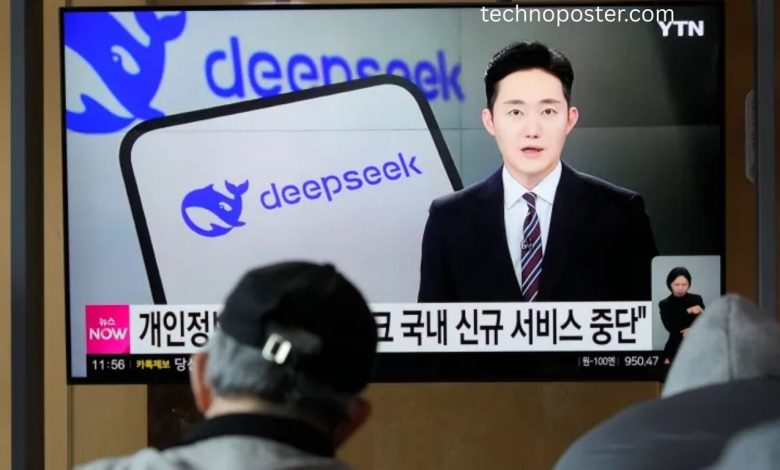
South Korea has temporarily pulled DeepSeek’s AI-powered R1 chatbot from app stores following growing privacy concerns. The country’s data protection authorities found that the Chinese start-up had not fully complied with local personal data regulations. While existing users can continue using the chatbot, new downloads have been suspended until necessary improvements are made. The move underscores rising global scrutiny over AI platforms and how they manage sensitive user information. DeepSeek’s low-cost development model has attracted significant attention, sparking both interest and skepticism among industry experts and regulators.
In its statement, the PIPC explained that DeepSeek agreed to pause app downloads following the commission’s recommendation. The measure applies only to new users, while those who have already installed the chatbot can continue using it.
“To prevent further privacy concerns, the commission advised DeepSeek to temporarily suspend its service while implementing necessary improvements,” the PIPC stated. “Aligning the app with local regulations will require significant time and effort.”
Read More: Lexus TX Owner Reveals an Honest, Eye-Opening Review of the Game-Changing Lexus Connect App in 2025
DeepSeek Removed from App Stores
The Personal Information Protection Commission (PIPC) announced that DeepSeek’s R1 chatbot has been pulled from South Korea’s versions of Apple’s App Store and Google Play. The Hangzhou-based company reportedly admitted failing to comply with local personal data protection standards.
The PIPC confirmed that the suspension only affects new users. Individuals who have already downloaded the chatbot can continue using it.
“To prevent further privacy concerns, the commission advised DeepSeek to temporarily suspend its service while implementing necessary improvements,” said the PIPC. “Aligning the app with local regulations will require significant time and effort.”
Government Restrictions and Global Scrutiny
The suspension follows a formal request by South Korean authorities last month, asking DeepSeek to provide details on how it manages user data. South Korea’s Ministry of Trade, Industry and Energy also temporarily banned government employees from using the app on official devices, citing security risks.
Other countries are taking similar measures:
- Australia and Taiwan: Banned the chatbot on government systems.
- United States: Congress is reviewing legislation to enforce a comparable ban.
- Italy: Ordered DeepSeek to limit the processing of Italian users’ data until compliance is clarified.
DeepSeek’s Rapid Rise in AI Development
DeepSeek drew global attention last month for developing its R1 chatbot at a fraction of the cost spent by tech giants like Google and OpenAI. According to its research paper, the company invested under $6 million in computing power to train the model—far less than the billions typically spent in Silicon Valley.
The announcement ignited debate over the traditional AI business model. Investors worried that DeepSeek’s cost-efficient approach could disrupt major tech companies, resulting in a one-day market loss of about $1 trillion from the “Magnificent Seven” tech firms.
Skepticism and Criticism
Despite its low-budget claim, some experts remain skeptical about DeepSeek’s development process. Critics suggest the start-up may have accessed advanced chips and additional funding not publicly disclosed. Questions also linger about the chatbot’s scalability and long-term viability.
Privacy and Data Security Concerns
South Korea’s suspension emphasizes the importance of adhering to national privacy standards. Authorities are closely monitoring DeepSeek, which must demonstrate compliance before resuming downloads.
The situation reflects broader concerns about user data security in AI-driven chatbots. As these technologies become more integrated into daily life, transparency over personal information management has become crucial.
Geopolitical Implications
The international scrutiny of DeepSeek highlights rising geopolitical tensions in AI development. Countries enforcing restrictions on foreign AI platforms are increasing pressure on companies to maintain transparency, security, and ethical standards.
Lessons for the AI Industry
DeepSeek’s story illustrates that rapid technological innovation comes with regulatory and ethical responsibilities. While AI can transform industries, privacy and data protection remain critical barriers to adoption.
Stakeholders—including developers, investors, regulators, and users—must navigate these challenges carefully to balance innovation with safety. Speed and efficiency alone are insufficient; privacy and transparency must be integral to AI development.
Frequently Asked Questions:
Why did South Korea remove DeepSeek from app stores?
South Korea’s privacy watchdog found that DeepSeek’s chatbot did not comply with local personal data protection rules, prompting a temporary suspension of downloads.
Is the DeepSeek app still usable for existing users?
Yes. Users who have already downloaded the chatbot can continue using it. The suspension only affects new downloads.
What is DeepSeek’s R1 chatbot?
R1 is an AI-powered chatbot developed by the Chinese start-up DeepSeek. It gained attention for being trained at a fraction of the cost of similar models by tech giants like Google and OpenAI.
How long will the app be suspended in South Korea?
The duration depends on how quickly DeepSeek implements changes to comply with South Korea’s privacy regulations. Authorities have indicated that aligning the app with local standards could take significant time.
Are other countries also restricting DeepSeek?
Yes. Australia and Taiwan have banned the chatbot on government devices, Italy has limited data processing, and the U.S. Congress is considering similar restrictions.
What prompted global concern over DeepSeek?
The chatbot’s low-cost development model raised questions about transparency, data management, and potential risks to user privacy. It also sparked discussions on the sustainability of Silicon Valley’s traditional AI investment strategies.
What does this mean for AI privacy and security?
The suspension highlights the importance of privacy and ethical standards in AI technology. Governments and users are increasingly focused on how personal data is collected, stored, and used by AI platforms.
Conclusion
South Korea’s suspension of DeepSeek highlights the growing importance of privacy and data security in the rapidly evolving AI landscape. While the chatbot’s low-cost development model showcases innovation, regulatory compliance and user trust remain critical. The case serves as a reminder that AI advancement must be balanced with ethical responsibility, transparency, and adherence to local and international data protection standards. How DeepSeek addresses these concerns will likely influence global approaches to AI regulation and the future of foreign-developed AI platforms.