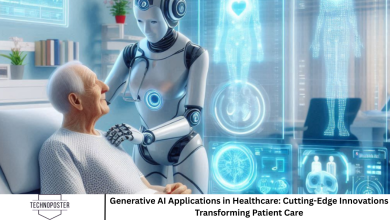
Artificial Intelligence (AI) has rapidly moved from the realm of science fiction to being an integral part of our daily lives. From the smart devices in our homes to virtual assistants in our phones, AI is reshaping how we live, work, and interact. This article explores the diverse ways AI is embedded in everyday life, its benefits, challenges, and what the future might hold.
Smart home ecosystems can also benefit from a QR code generator that allows users to quickly connect devices or access setup instructions
The Rise of AI in Daily Life
AI technologies have grown remarkably accessible, powering tools and devices we often take for granted. These technologies process data, recognize patterns, and make decisions that improve efficiency, convenience, and personalization.
Smart Homes: The Heart of AI Living
Smart homes are a prime example of AI’s impact. With connected devices, homes have become more intuitive and efficient. Key features include:
- Smart Thermostats: Devices like Nest learn your schedule and adjust temperatures accordingly, saving energy and money.
- Smart Lighting: Lights that adjust based on natural light or occupancy increase comfort and reduce waste.
- Security Systems: AI-powered cameras and sensors detect unusual activity and alert homeowners in real time.
- Voice-Controlled Devices: Integrations with AI assistants like Alexa or Google Assistant allow control of multiple devices via voice commands.
The integration of AI into home systems improves convenience, energy efficiency, and security.
Virtual Assistants: Your AI Companions
Virtual assistants such as Siri, Alexa, Google Assistant, and Cortana are now ubiquitous. These AI-driven programs:
- Understand natural language.
- Manage calendars, reminders, and tasks.
- Provide weather updates, news briefings, and answers to questions.
- Control smart home devices.
- Help with shopping lists and online purchases.
Virtual assistants save time and streamline daily routines, making digital interaction seamless.
AI in Personal Devices and Apps
AI powers many of the applications on smartphones and computers, including:
- Personalized Recommendations: Streaming services like Netflix and Spotify use AI to suggest content based on your preferences.
- Photo Organization: AI can recognize faces and scenes, helping you sort and find photos quickly.
- Language Translation: Apps can translate text or speech instantly, breaking down language barriers.
- Health Tracking: Wearables and apps use AI to monitor fitness levels, sleep patterns, and provide health insights.
AI enables more personalized and intuitive experiences in everyday technology use.
AI in Transportation and Mobility
AI also plays a growing role in how we move:
- Navigation Apps: AI analyzes traffic data in real time to suggest the fastest routes.
- Ride-Sharing: Algorithms optimize driver routes and match passengers efficiently.
- Electric and Autonomous Vehicles: Self-driving cars rely heavily on AI for safe navigation and decision-making.
These innovations promise safer, faster, and greener transportation options.
AI in Shopping and Finance
AI reshapes commerce and money management:
- Personalized Shopping: Online retailers use AI to recommend products and customize offers.
- Virtual Try-Ons: AR and AI let shoppers see how clothes or makeup will look without physically trying them.
- Fraud Detection: Banks employ AI to identify unusual transactions and prevent fraud.
- Budgeting Tools: AI-powered apps analyze spending habits and offer tailored financial advice.
This leads to a more secure, convenient, and personalized shopping and banking experience.
Challenges and Ethical Considerations
While AI offers many benefits, it also raises concerns:
- Privacy: AI collects vast amounts of personal data, prompting worries about security and misuse.
- Job Displacement: Automation may replace certain jobs, requiring workforce adaptation.
- Bias and Fairness: AI systems can inherit biases from training data, leading to unfair outcomes.
- Dependence: Overreliance on AI may reduce human skills or awareness.
Addressing these challenges requires thoughtful regulation, transparency, and ongoing research.
The Future of AI in Everyday Life
AI’s role in daily life is set to expand with advances in:
- Healthcare: AI will support diagnostics, personalized treatment, and remote care.
- Education: Personalized learning experiences adapting to student needs.
- Environmental Monitoring: AI systems will help manage resources and combat climate change.
- Smart Cities: Integrated AI solutions will optimize energy, traffic, and services.
The future promises AI that is smarter, more ethical, and deeply integrated into daily living.
Frequently Asked Question
What is AI in simple terms?
AI is technology that enables machines to perform tasks requiring human intelligence, like recognizing speech, making decisions, and learning from data.
Are virtual assistants really intelligent?
They use AI to understand commands and perform tasks, but they don’t think like humans—they operate based on programming and data patterns.
Is my privacy at risk with AI devices?
AI often collects data to function well, so privacy depends on how companies handle that data and user settings. It’s important to review permissions and policies.
Can AI in smart homes save money?
Yes, AI can optimize energy use, adjust heating/cooling, and improve efficiency, leading to reduced utility bills.
Will AI take over jobs?
AI automates some tasks, but it also creates new jobs and opportunities. Adaptation and upskilling are key.
How does AI help in healthcare?
AI aids in diagnosing diseases, analyzing medical images, personalizing treatments, and monitoring patient health remotely.
What are the risks of AI bias?
If AI is trained on biased data, it can make unfair decisions. Ensuring diverse data and transparency helps reduce this risk.
Conclusion
AI is no longer just a futuristic concept; it’s a present reality shaping everyday life. From smart homes to virtual assistants and beyond, AI enhances convenience, personalization, and efficiency. While challenges exist, careful development and mindful use of AI technologies can maximize benefits and minimize risks. Embracing AI thoughtfully can help us build a smarter, more connected future.