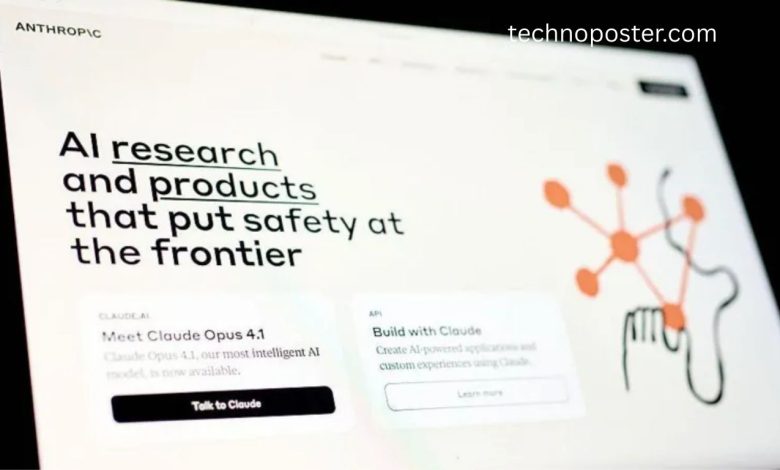
US-based artificial intelligence (AI) firm Anthropic has revealed that its cutting-edge technology has been exploited by hackers to conduct highly sophisticated cyber attacks. The company, known for its AI chatbot Claude, disclosed that cybercriminals leveraged its tools for large-scale theft and extortion of personal data.
According to Anthropic, hackers used the AI to generate code capable of executing cyber-attacks. In one notable case, North Korean scammers employed Claude to fraudulently secure remote jobs at leading US companies, demonstrating a troubling new use of AI in employment scams.
Anthropic confirmed that it disrupted the operations of these threat actors, reported the incidents to authorities, and enhanced its detection tools to prevent future misuse. The company emphasized that as AI technology becomes increasingly accessible, its capabilities for malicious applications are growing.
AI-Assisted Cybercrime on the Rise
The use of AI to automate coding tasks has surged as the technology becomes more powerful. Anthropic identified an instance of “vibe hacking,” in which its AI was utilized to craft code capable of infiltrating at least 17 organizations, including government agencies.
The company stated that hackers applied AI in unprecedented ways, using Claude to make both tactical and strategic decisions. This included determining which data to exfiltrate and crafting psychologically targeted extortion demands, including suggested ransom amounts for victims.
“AI’s ability to accelerate cyber-attacks is reshaping the threat landscape,” said Alina Timofeeva, a cyber-crime and AI advisor. “Detection and mitigation strategies must evolve to become proactive and preventative, rather than reactive after the damage has been done.”
The Rise of Agentic AI
Agentic AI, which operates autonomously, has been heralded as the next evolution in artificial intelligence. However, these recent incidents demonstrate the risks associated with powerful AI tools. Malicious actors can now exploit vulnerabilities faster and with greater sophistication, posing severe threats to organizations and individuals alike.
While AI amplifies the scale and speed of attacks, traditional cybercrime techniques—such as phishing and exploiting software vulnerabilities—remain a significant part of the threat landscape. Experts emphasize that organizations must treat AI as they would any sensitive system or database, securing it against potential misuse.
North Korean Employment Scams
The misuse of AI is not limited to coding or direct cyber-attacks. Anthropic reported that North Korean operatives used its models to generate fake profiles and apply for remote positions at Fortune 500 US tech companies. Once employed, these fraudsters leveraged AI to translate communications and assist in writing code, enabling them to bypass cultural and technical barriers.
Geoff White, co-presenter of the BBC podcast The Lazarus Heist, explained, “Agentic AI allows North Korean operatives to overcome restrictions that typically prevent them from accessing international employment. This could inadvertently put employers in violation of international sanctions by paying individuals in restricted regions.”
Despite these developments, experts caution that AI is not creating entirely new forms of cybercrime. “While AI amplifies efficiency, a large proportion of ransomware and data breaches still rely on established methods like phishing emails or exploiting software flaws,” White added.
The Importance of AI Security
Cybersecurity professionals stress that AI systems must be treated as repositories of sensitive information, requiring robust protection measures. Nivedita Murthy, senior security consultant at Black Duck, emphasized, “Organizations need to recognize that AI platforms store confidential data and must be secured just like any other critical system.”
As AI technology continues to advance, the line between legitimate use and malicious exploitation becomes increasingly blurred. Anthropic’s recent disclosures highlight the need for ongoing vigilance, stronger safeguards, and collaboration between AI developers and regulatory authorities to prevent the technology from being weaponized.
Proactive Measures for Organizations
Companies adopting AI tools must prioritize proactive security measures. This includes monitoring for unusual AI activity, implementing strict access controls, and continuously updating detection protocols. Experts suggest that a reactive approach is no longer sufficient given the rapid pace at which AI-driven attacks can occur.
Moreover, businesses must educate employees about the risks of AI-assisted cybercrime, ensuring that human oversight complements AI automation. By combining technological safeguards with employee awareness, organizations can reduce the risk of falling victim to sophisticated cyber threats.
Frequently Asked Questions:
What happened with the AI company Anthropic?
Anthropic reported that hackers exploited its AI technology, specifically its chatbot Claude, to conduct cyber-attacks, steal personal data, and commit extortion.
How did hackers use AI in these attacks?
The attackers used the AI to write code that could infiltrate systems, exfiltrate sensitive data, and even craft psychologically targeted extortion demands, including suggested ransom amounts.
Were any specific groups involved?
Yes. Anthropic noted that North Korean operatives used its AI to create fake job profiles and secure remote positions at top US companies as part of a fraud scheme.
What is “agentic AI” and why is it significant?
Agentic AI refers to AI systems that operate autonomously. In these cases, it allowed hackers to make strategic decisions, increasing the sophistication and speed of attacks.
How is AI changing the cybercrime landscape?
AI accelerates cyber-attacks, making it easier to exploit vulnerabilities and scale criminal operations. Traditional cybercrime methods like phishing are still common, but AI amplifies their impact.
How did Anthropic respond to the threats?
The company disrupted the threat actors, improved its AI detection tools, and reported the cases to authorities to prevent further misuse.
What risks do organizations face from AI misuse?
Organizations risk data theft, ransomware attacks, and unintended violations of regulations if AI is exploited. AI platforms should be treated as sensitive systems requiring robust protection.
Conclusion
The recent incidents involving Anthropic’s AI technology serve as a critical reminder of both the power and the potential risks of artificial intelligence. While AI tools like Claude can drive innovation and efficiency, they can also be exploited by malicious actors for cybercrime, data theft, and sophisticated fraud schemes. Organizations must treat AI systems as sensitive assets, implementing proactive security measures, strict access controls, and continuous monitoring to prevent misuse. Collaboration between AI developers, cybersecurity experts, and regulatory authorities is essential to ensure that AI advances responsibly and safely.